30% of Claims Have AI-Altered Media: How Insurers Fight Back
- Get link
- X
- Other Apps
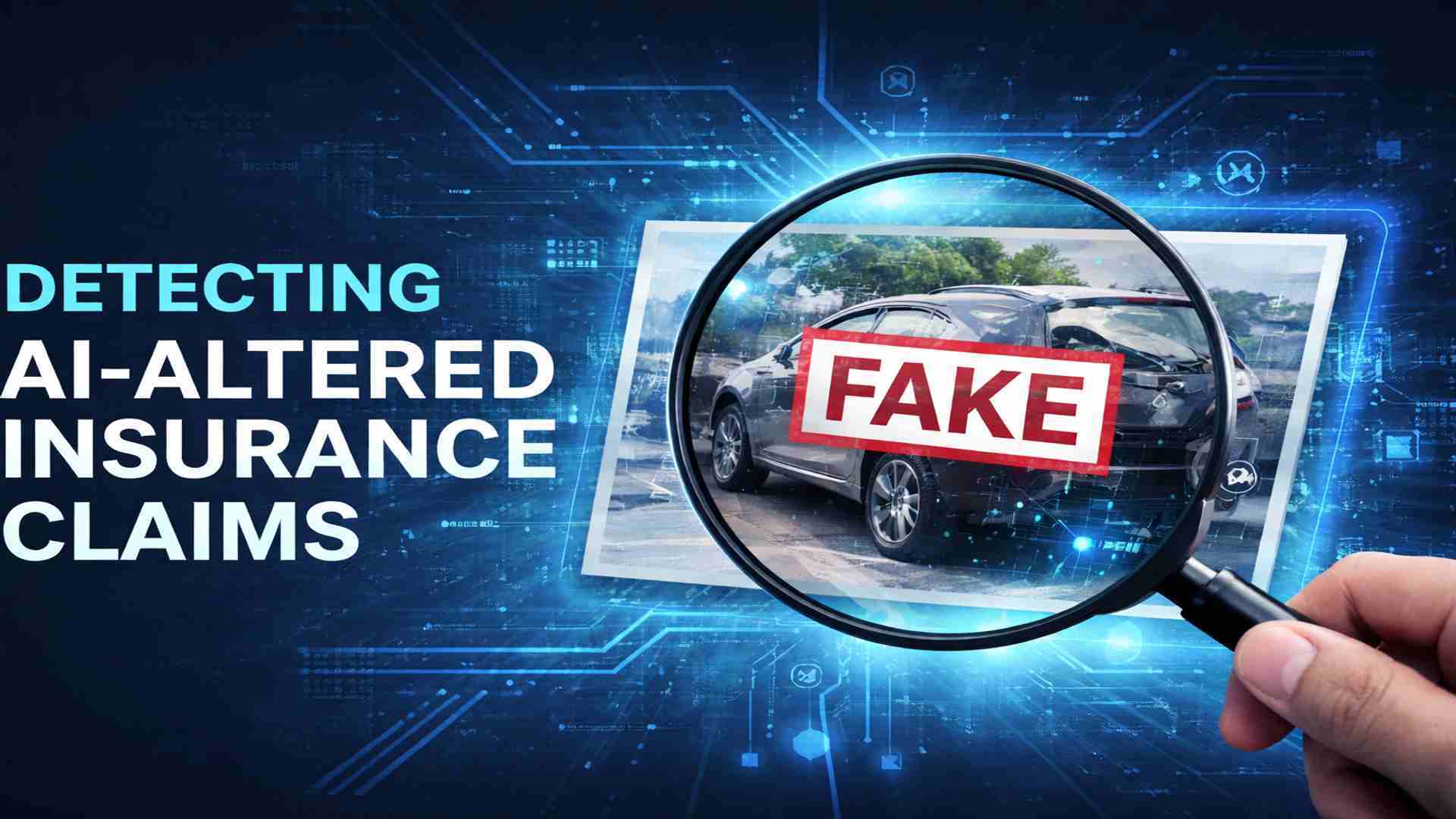
Artificial intelligence is transforming the Property and Casualty (P&C) insurance industry in remarkable ways. Insurers are using AI to automate claims processing, improve customer service, and identify fraud faster than ever before. However, the same technology is also empowering fraudsters to create highly convincing fake images, videos, audio recordings, and documents. These AI deepfakes are making insurance fraud more sophisticated and more difficult to detect.
As digital-first claims become the industry standard, insurers must prepare for a new generation of fraud involving manipulated media. Understanding the impact of P&C deepfakes is becoming essential for insurers, claims professionals, and fraud investigators alike.
What Are AI Deepfakes?
AI deepfakes are synthetic or manipulated digital assets created using artificial intelligence. Advanced generative AI models can produce realistic photos, videos, voice recordings, and documents that closely resemble authentic content.
Unlike traditional photo editing, AI-generated media can recreate entire scenes, alter existing evidence, or fabricate convincing documentation with minimal effort. As these tools become more accessible, they present significant challenges for industries that rely on visual evidence—including insurance.
Why P&C Insurance Is a Prime Target
Property and Casualty insurers depend heavily on digital evidence when evaluating claims. Customers routinely submit:
- Vehicle accident photos
- Property damage images
- Repair estimates
- Contractor invoices
- Police reports
- Video footage
- Recorded phone conversations
Because much of this information is now submitted electronically, fraudsters have greater opportunities to manipulate or fabricate evidence using AI.
For insurers, distinguishing genuine claims from fraudulent ones has become increasingly complex.
Common P&C Deepfake Fraud Scenarios
AI-generated media can be used throughout the insurance claims process. Some common examples include:
Manipulated Vehicle Damage Photos
A claimant may use AI tools to exaggerate dents, broken headlights, cracked windshields, or collision damage that did not occur.
Fabricated Property Damage
Images showing fire, water, hail, or storm damage can be artificially generated or altered to increase claim values.
Fake Repair Documents
Generative AI can produce professional-looking repair estimates, invoices, and receipts that appear legitimate but contain false information.
Voice-Cloned Customer Calls
Fraudsters can clone voices to impersonate policyholders during claims verification or customer support interactions.
Synthetic Identity Fraud
AI can create convincing identity documents or combine stolen information with generated content to support fraudulent claims.
Why Traditional Fraud Detection Is No Longer Enough
Conventional fraud detection methods focus on identifying suspicious claim histories, inconsistencies in documentation, or unusual claimant behavior. While these approaches remain valuable, they are not always sufficient against AI-generated evidence.
Modern deepfakes can closely mimic authentic images and documents, making manual reviews more difficult. Claims teams may struggle to identify subtle digital manipulations without specialized technology.
As AI-generated content becomes more sophisticated, insurers need advanced tools capable of detecting hidden signs of manipulation.
How AI Helps Detect AI Deepfakes
Fortunately, artificial intelligence is also helping insurers combat AI-generated fraud.
Modern fraud detection platforms analyze digital evidence using multiple techniques, including:
Image Forensics
AI examines uploaded images for inconsistencies in lighting, textures, shadows, reflections, and pixel patterns that may indicate manipulation.
Metadata Analysis
Digital files often contain metadata such as timestamps, device information, GPS coordinates, and editing history. Comparing this information with claim details can reveal potential discrepancies.
Document Verification
AI-powered systems evaluate invoices, estimates, receipts, and reports for formatting anomalies, duplicated templates, inconsistent fonts, and other indicators of synthetic content.
Voice Authentication
Voice biometrics can identify characteristics associated with cloned or AI-generated speech, helping insurers verify claimant identity during phone interactions.
Behavioral Analytics
Machine learning models analyze claimant behavior, submission timing, historical claim patterns, and other risk indicators to identify suspicious activity that may warrant further investigation.
Benefits of AI-Powered Fraud Detection
Adopting AI-based fraud detection solutions offers several advantages for P&C insurers.
Faster Claims Processing
Routine claims can be processed more quickly while suspicious submissions are automatically flagged for additional review.
Reduced Fraud Losses
Early detection of manipulated evidence helps insurers prevent fraudulent payouts and reduce investigation costs.
Improved Claims Accuracy
AI supports claims professionals by providing additional insights rather than replacing human expertise.
Better Customer Experience
Legitimate policyholders benefit from faster claim approvals while insurers maintain strong fraud prevention practices.
Best Practices for Managing AI Deepfake Risks
Organizations can strengthen their defenses by combining technology with sound operational practices.
Key recommendations include:
- Deploy AI-powered image and document verification tools.
- Verify metadata before approving high-value claims.
- Implement strong identity verification processes.
- Train claims professionals to recognize emerging fraud tactics.
- Monitor evolving AI technologies and update detection models regularly.
- Combine automated risk scoring with expert human review.
A layered approach provides better protection than relying on any single detection method.
The Future of P&C Claims in the AI Era
AI will continue to reshape both insurance operations and fraud tactics. While generative AI creates new challenges, it also enables insurers to build smarter fraud detection systems capable of identifying suspicious media at scale.
Future claims platforms are likely to integrate image analysis, document verification, voice authentication, behavioral analytics, and network intelligence into unified fraud detection workflows. This combination of automation and human expertise will help insurers adapt to an increasingly complex digital landscape.
Conclusion
The rise of P&C deepfakes and AI deepfakes marks a significant shift in the insurance fraud landscape. As manipulated media becomes more convincing, insurers must move beyond traditional verification methods and embrace AI-driven detection technologies.
By investing in advanced fraud detection, strengthening claims workflows, and continuously adapting to emerging threats, Property and Casualty insurers can protect their organizations from fraudulent claims while ensuring genuine policyholders receive timely and fair service.
In an era where digital evidence can no longer be accepted at face value, proactive detection and verification will be critical to maintaining trust, reducing losses, and safeguarding the future of insurance claims.
- Get link
- X
- Other Apps


Comments
Post a Comment